What cultural leisure activities truly distinguish Brittany from other French regions, and how can one identify those that go beyond a simple guided tour? Between megalithic heritage, local festivals, and participatory media libraries, the Breton offering is structured around very different formats. This article compares the major categories of cultural leisure in Brittany to identify those that provide the most added value to visitors.
Cultural Leisure in Brittany: Comparative Table of Formats
Not all Breton cultural leisure activities are equal in terms of immersion. The table below ranks the main formats according to their level of participation and seasonal availability.
| Cultural Format | Level of Participation | Main Season | Examples in Brittany |
|---|---|---|---|
| Heritage Site Visit | Passive (observation) | All year round | Alignments of Carnac, ramparts of Saint-Malo |
| Festival or Local Celebration | Active (shows, meetings) | Summer, autumn | Megaliths Festival in Carnac, Festival of Brittany |
| Participatory Workshop / Restoration Project | Very active (hands-on practice) | Spring, autumn | European Heritage Days, craft workshops |
| Conference / Series of Meetings | Active (listening, exchanging) | Autumn, winter | “Causons patrimoine” series |
| Living Media Library | Active (workshops, exhibitions) | All year round | Media libraries of Quimper |
The “level of participation” column makes the difference. Passive formats (free visits to a monument) remain the most widespread. In contrast, participatory workshops and conference series place the visitor in a contributor’s role, not a spectator’s.
For those looking to explore the site culture-bretagne.org, the diversity of listed activities allows filtering according to these levels of involvement.
Participatory Heritage in Brittany: Workshops, Projects, and Testimonial Collections
The Brittany Region proposed, during the European Heritage Days, 50 favorites combining visits, workshops, and meetings with the residents and professionals who bring these places to life. This figure, reported by Ouest-France in September 2026, reflects a desire to go beyond the classic visit.
Three participatory formats deserve special attention:
- Restoration projects open to the public, where visitors handle materials and understand conservation techniques on a real building.
- Testimonial collections, inviting participants to record stories from former residents or local artisans, directly contributing to heritage archives.
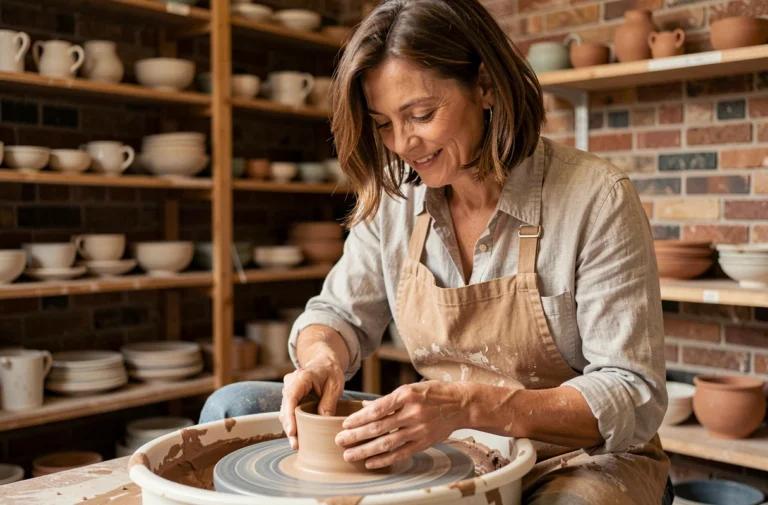
- Craft demonstrations (weaving, stonework, traditional shipbuilding), led by active professionals.
Participating in a project or collection changes the nature of the memory: one no longer brings back a photo, but a skill or a conversation. This type of cultural leisure remains concentrated on heritage weekends and certain festivals, which requires planning for attendance.
“Causons patrimoine” Series: Breton Culture in the Low Season
The “Causons patrimoine” conference series, which accompanies the Matrimoines and Heritage Days, spans several weeks with round tables, workshops, and discussions around ongoing research. This format extends the cultural offering well beyond the major event weekend in September.
For visitors avoiding the high season, the autumn conferences and round tables represent a concrete alternative to summer festivals. The pace is slower, the groups smaller, and interactions with researchers and volunteers are direct.
Breton Territorial Festivals: Carnac, Rennes, Morbihan
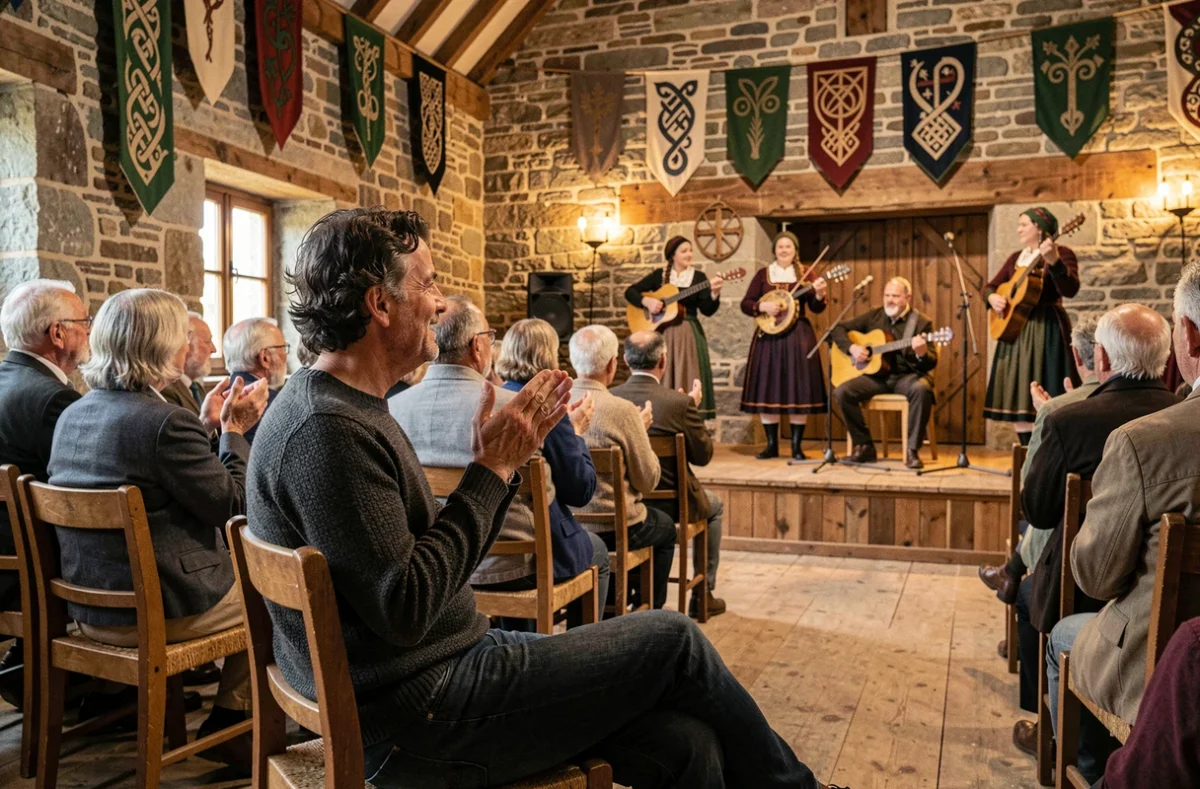
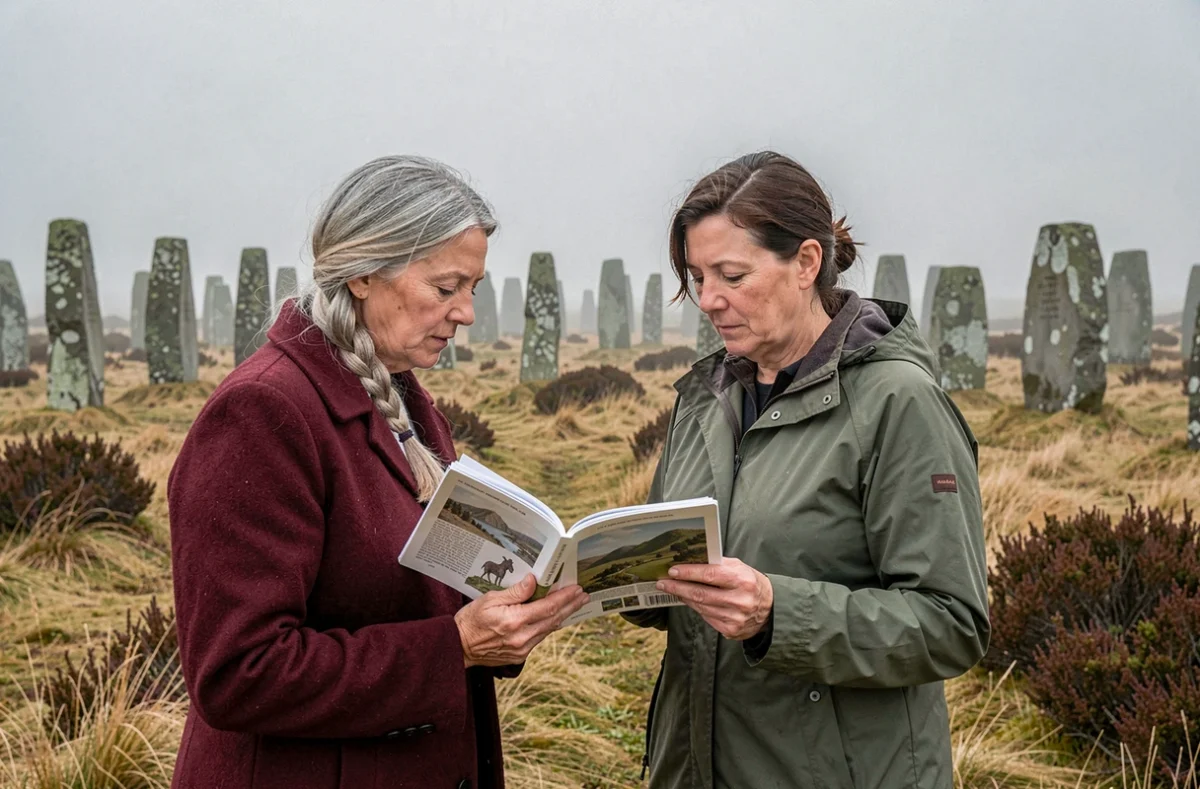
Breton cultural festivals are distinguished by their geographical anchoring. “Megaliths Festival” in Carnac was designed as an annual event aimed at mobilizing the entire territory, not just the archaeological site itself. This unifying approach engages businesses, associations, and residents around a heritage theme.
In Rennes and Morbihan, cultural outings take various forms: interactive audio-guided tours in the city center, immersive historical paths, or thematic walks connecting several municipalities. The offering of cultural visits in Saint-Malo illustrates this diversity, with formats ranging from smartphone audio guides to immersive guided tours in 1944 Saint-Malo.
The common thread of these events is their territorial dimension. A Breton festival is not limited to a closed venue: it radiates across a living area, involves local stakeholders, and generates satellite activities (markets, temporary exhibitions, family workshops).
Media Libraries of Quimper and Permanent Cultural Venues
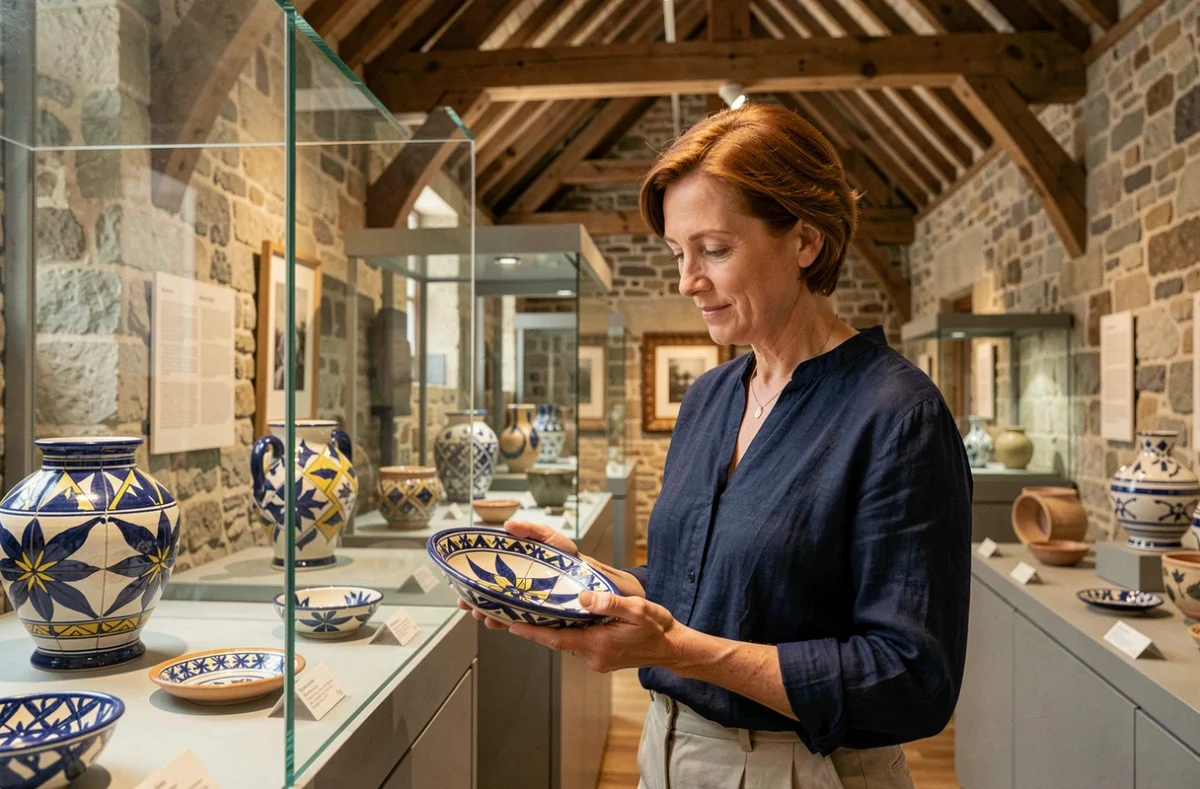
The media libraries of Quimper position themselves as living places where culture is expressed in all its forms, according to the phrase used by the city itself. Far from just lending books, they host exhibitions, creative workshops, author meetings, and screenings.
This model of a permanent cultural venue offers a counterpoint to occasional events. For visitors on weekends or with family, an active media library functions as a free cultural center accessible all year round. The same principle is found in Brest, Rennes, or Vannes, with programming that varies from city to city.
Community Radios and Territorial Media
A rarely addressed angle: Breton community radios play a role as common territorial media. They broadcast local cultural content (artist interviews, reports on heritage, event announcements) that complements the digital offerings of tourist offices. Tuning in before a stay allows one to identify confidential events absent from major platforms.
Classic Heritage Visits: Carnac, Saint-Malo, Gulf of Morbihan
The most visited Breton heritage sites remain the alignments of Carnac, the ramparts of Saint-Malo, and the islands of the Gulf of Morbihan. These visits form the foundation of the regional cultural offering.
Unlike participatory formats, the classic heritage visit requires no special planning. The sites are accessible all year round, often without reservation outside the high season. Their limitation lies in the low level of interaction: the visitor remains a spectator, unless opting for a guided tour or an immersive audio guide.
The choice between a classic visit and a participatory leisure activity depends on the time available and the desire for involvement. A weekend in Brittany can combine a morning at a megalithic site and an afternoon in a restoration workshop, provided one coordinates the schedules. The most memorable formats, according to visitor feedback, are those that combine a heritage site with a human encounter, whether it be a passionate guide in Saint-Malo or a stonecutter in Carnac.