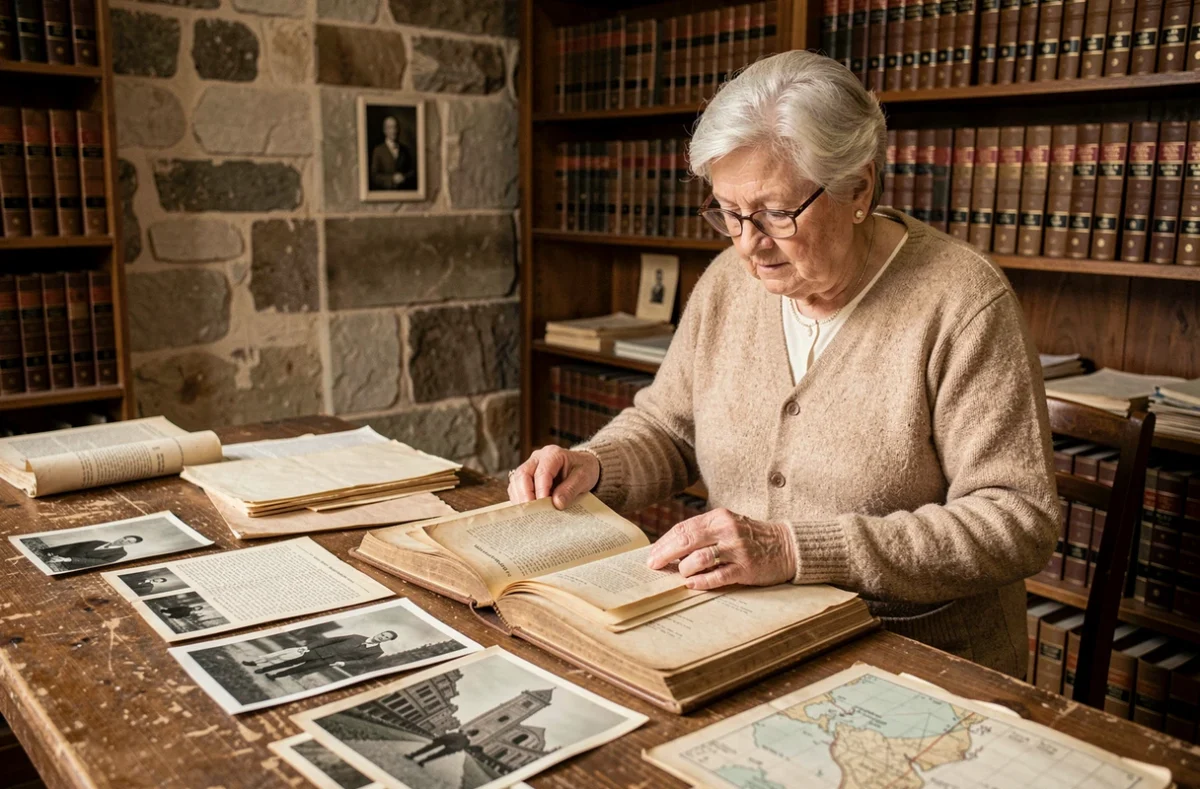
In France, local memory is shaped as much in people’s attics as in departmental archives. From villages in Aude to towns in Lot, associations collect old photographs, oral testimonies and family documents to piece together the history of their communities. This raises a practical question: once these materials have been entrusted to them, how can their preservation over several decades—and access for the community—be guaranteed?
Community-led collection of local memories: what’s happening on the ground
In Lasbordes, in Aude, an association has called on residents to share anecdotes, photographs and documents that can help trace the village’s history. The initiative comes not from an institution but from volunteers who knock on doors and hold drop-in sessions.
The same approach can be found in Brittany. In Bannalec, the Eñvorenn Banaleg association works to promote the municipal archives and has announced improvements to its website to make little-documented aspects of local history accessible. Its twofold aim is to digitize existing collections and gather new testimonies from local families.
These initiatives have one thing in common: they rely on residents’ trust. People agree to lend or donate original materials that are sometimes irreplaceable. Following the latest news from Les Archivistes gives a sense of just how widely these projects are spreading across France, led by a diverse range of organizations.
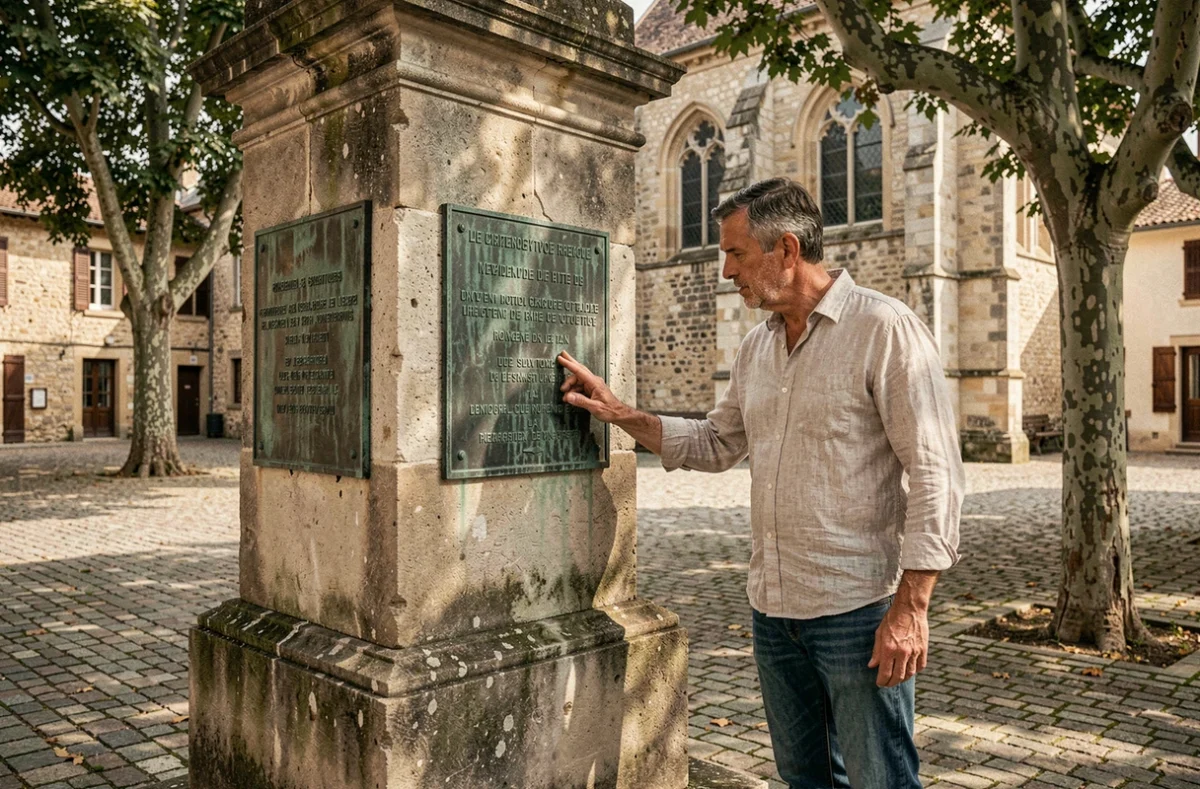
Long-term preservation of entrusted heritage: who is responsible?
When a resident gives an association a family photograph from the 1920s, the document’s legal status immediately becomes an issue. Is it a donation, a loan or a deposit? The answer determines the rights to reproduce it, share it online and return it.
Departmental archives follow standardized procedures, including accession registers, temperature and humidity controls, and preservation plans. Local associations, by contrast, have limited resources. A box stored in an unheated municipal building can deteriorate within just a few years.
Digitization and sustainable file formats
Digitization may seem to solve the problem, but it creates others. A compressed JPEG file loses quality with every copy. Formats recommended by archival professionals, such as uncompressed TIFF and PDF/A, require substantial storage space and a redundant backup infrastructure.
For a village association, maintaining a server—or even paying for a cloud subscription—for ten or twenty years means ongoing costs that one-off grants do not cover. Digital preservation depends on stable funding, not a one-off project.
Giving the collection back to the community
Collecting without sharing the results is tantamount to creating a dormant collection. The most successful initiatives plan for public access from the outset, through temporary exhibitions, local publications or an online portal. In Bannalec, publishing materials on an association website ensures ongoing access, provided the domain name and hosting are renewed each year.
Coordinating local memories beyond municipal boundaries: the example of Lot
Addressing local memory one town at a time leads to duplication and gaps. In Lot, a departmental heritage committee has been set up to coordinate initiatives and raise awareness of historic sites, events and figures beyond the areas where they originated.
Ideas under consideration include a shared map and heritage trails linking several towns. The aim is to move from collecting local materials in isolation to building a regional network in which every fragment of memory has a place in a broader story.
This approach requires institutional leadership that not every local authority can provide. A parliamentary report on the Heritage budget notes that a lack of specialist expertise is putting local heritage at risk, particularly in small towns without an archivist or cultural affairs officer. The same report points out that some grants for rural heritage are funded by earmarking existing credits rather than by creating an entirely new budget.
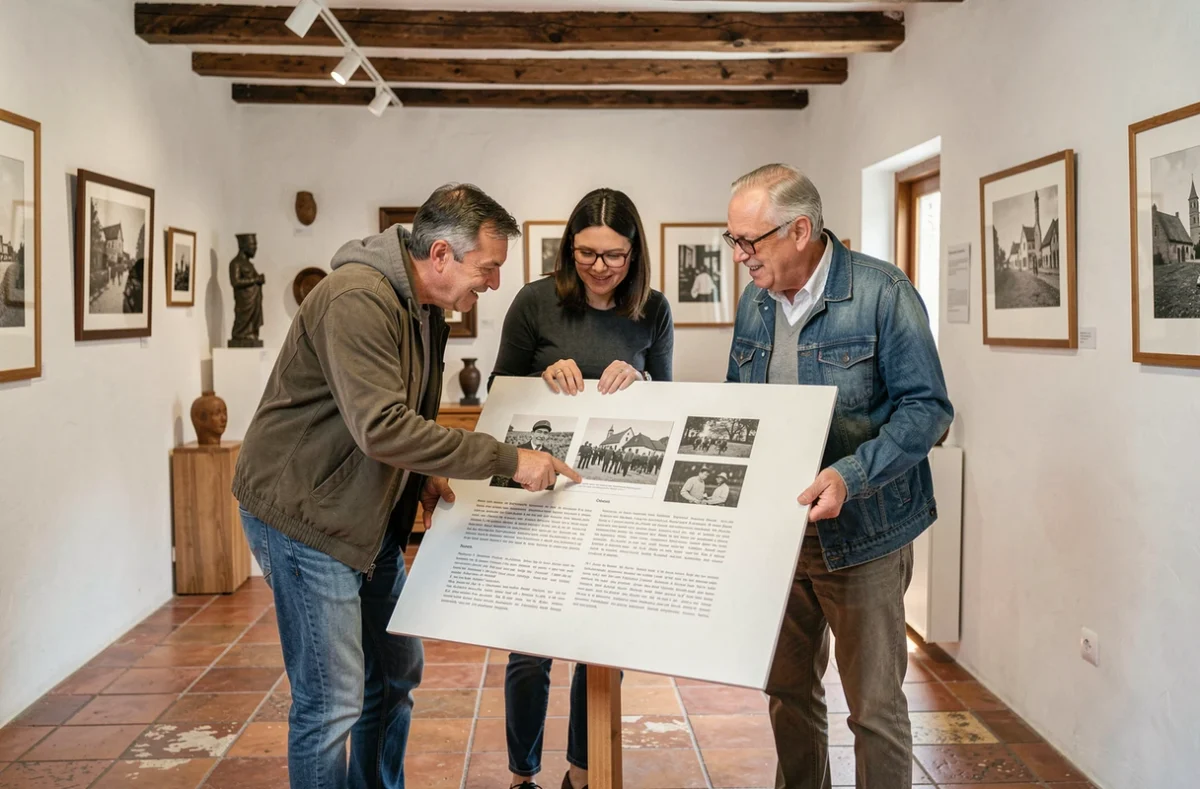
Remarkable Heritage Sites and living memory: two complementary approaches
In Aveyron, several towns are continuing the process of being designated Remarkable Heritage Sites. This scheme protects historic buildings and urban landscapes through specific planning rules. It focuses on visible, tangible heritage: façades, squares and architectural ensembles.
Living memory, by contrast, covers a broader range of material:
- Oral accounts from former residents, documenting practices that have disappeared, such as fairs, trades and local dialects
- Private photographs showing how a place has changed over several generations and complementing official surveys
- Administrative and family documents, such as notarial deeds, correspondence and school exercise books, that shed light on everyday life
The two approaches are not in conflict, but they involve different stakeholders. Designation as a Remarkable Heritage Site is overseen by the state and local authorities. Collecting living memories depends on community organizations and the willingness of individual residents to take part.
Uncertain funding and preventive heritage conservation
Preventive conservation—controlling environmental conditions, using appropriate storage materials and carrying out regular checks—is an alternative to emergency restoration, which is more expensive and sometimes irreversible. For documents and objects entrusted by residents, it is the first line of defense.
The main obstacle is funding. Heritage associations often rely on annual grants that are not renewed. A digitization project launched one year may have to stop the next for lack of funding, leaving the collection only partially processed.
There is not enough data to assess exactly how many association collections are currently in this unfinished state. Institutional reports focus on built heritage and museums, not on collections assembled by volunteers in municipal buildings.
Local memory is built through the patient accumulation of individual acts: entrusting a photograph, recording an account, transcribing a document. Preserving these fragments requires a clear chain of responsibility, from the donor to the institution holding the collection. Without it, a generation could lose what residents spent decades gathering.