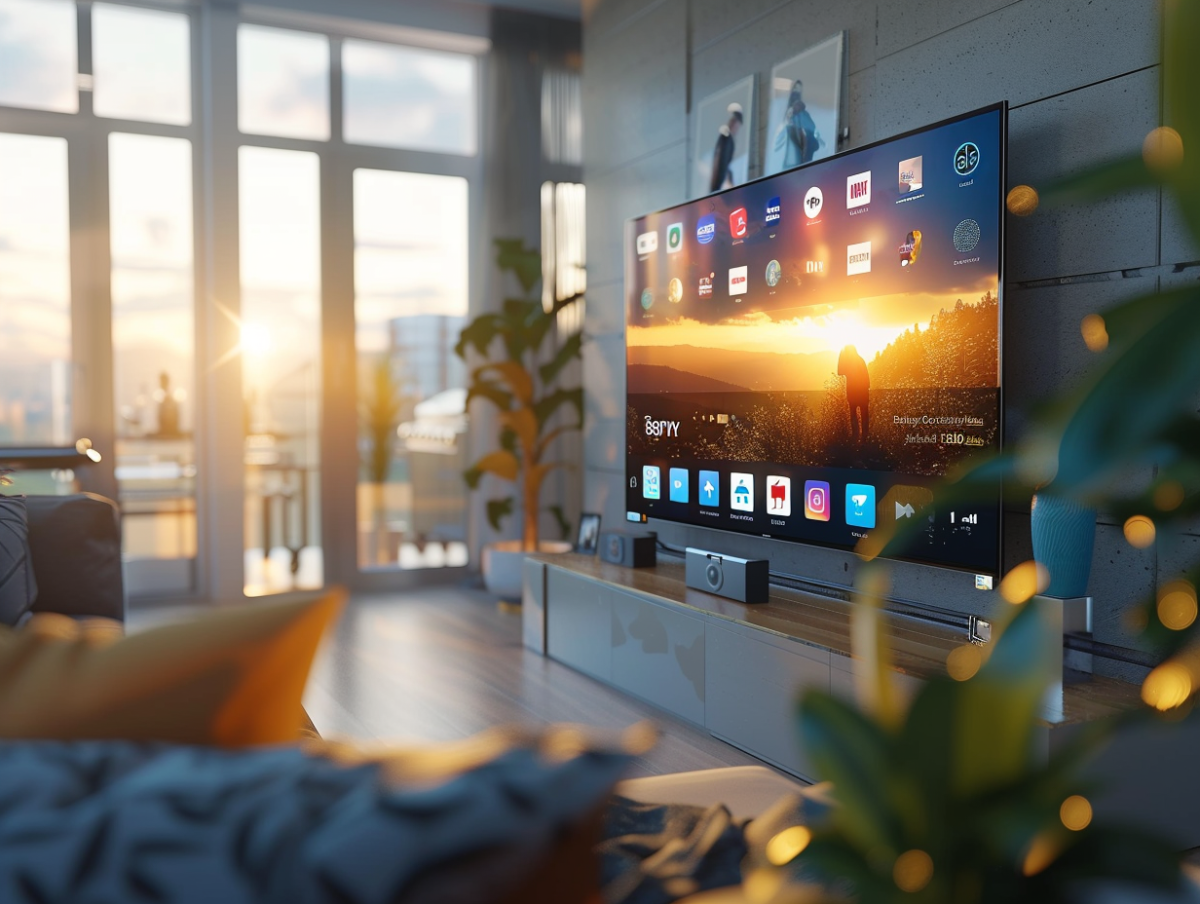
The consumption of multimedia content has undergone radical transformations in recent years, primarily due to the emergence and massive adoption of streaming platforms. These digital services, offering continuous access to movies, series, and music, have redefined the habits of viewers and listeners. Their growing popularity raises pertinent questions about their impact on traditional entertainment industries, the evolution of media ownership, and new consumption trends. In the face of fierce competition and constant evolution, studying these platforms becomes fundamental to understanding the current media landscape.
Evolution and Current Trends of Streaming Platforms
The ‘trending streaming platforms’ dominate the audiovisual market, imposing new consumption dynamics for audiovisual content. Netflix and Disney, two giants in the sector, perfectly illustrate this trend. Their SVOD (Subscription Video On Demand) model radically transforms the relationship with video streaming. The competition between these major players stimulates innovation and diversifies the offering to satisfy a global audience with eclectic tastes.
The transformation of the audiovisual market is observed in the evolution of traditional media strategies, which are engaging in a necessary adaptation in the face of the rise of SVOD. Traditional media and streaming platforms are engaging in forms of mutual adjustments, now sharing the media and economic space. From collaborations to acquisitions, the lines between the old and new worlds of entertainment are blurring.
VoirSeries reviews and other online critiques bear witness to the emergence of a culture of active reception, where the consumer becomes critical, an influencer, or even a co-creator of content. The consumption of video content is no longer passive but is part of an interactive approach, with streaming platforms adapting their catalogs in real-time to the reactions and preferences of their users. These new practices are reconfiguring the audiovisual landscape, placing interaction at the heart of the experience.
Comparison and Analysis of Economic Models and Content Strategies
The economic models of SVOD platforms such as Netflix and Disney rely on monthly subscriptions, generating recurring revenues estimated in billions of dollars. These giants have managed to capitalize on the volume of their millions of users to offset the high production costs of exclusive movies and series. The detailed analysis from economic press and annual reports reveals a significant reinvestment of profits into original content creation, a strategy aimed at enhancing loyalty and attracting new subscribers.
In the face of these new entities, traditional audiovisual media must redefine their financial and editorial strategies. The impact on the audiovisual market is palpable: linear television is losing ground to on-demand streaming services. In this context, historical players are entering the streaming race through their own platforms or strategic alliances, seeking to capitalize on their existing catalogs while developing new productions capable of competing with market leaders.
Regarding content strategies, Netflix’s approach is characterized by a diverse and impressive quantity of works. The platform relies on the recommendation algorithm to personalize the user experience. Disney, on the other hand, draws from its cinematic and television heritage to offer a lineup centered on strong, globally recognized brands. These distinct strategies demonstrate a keen understanding of audience expectations, with personalization and exclusivity now being essential levers in the attention economy.