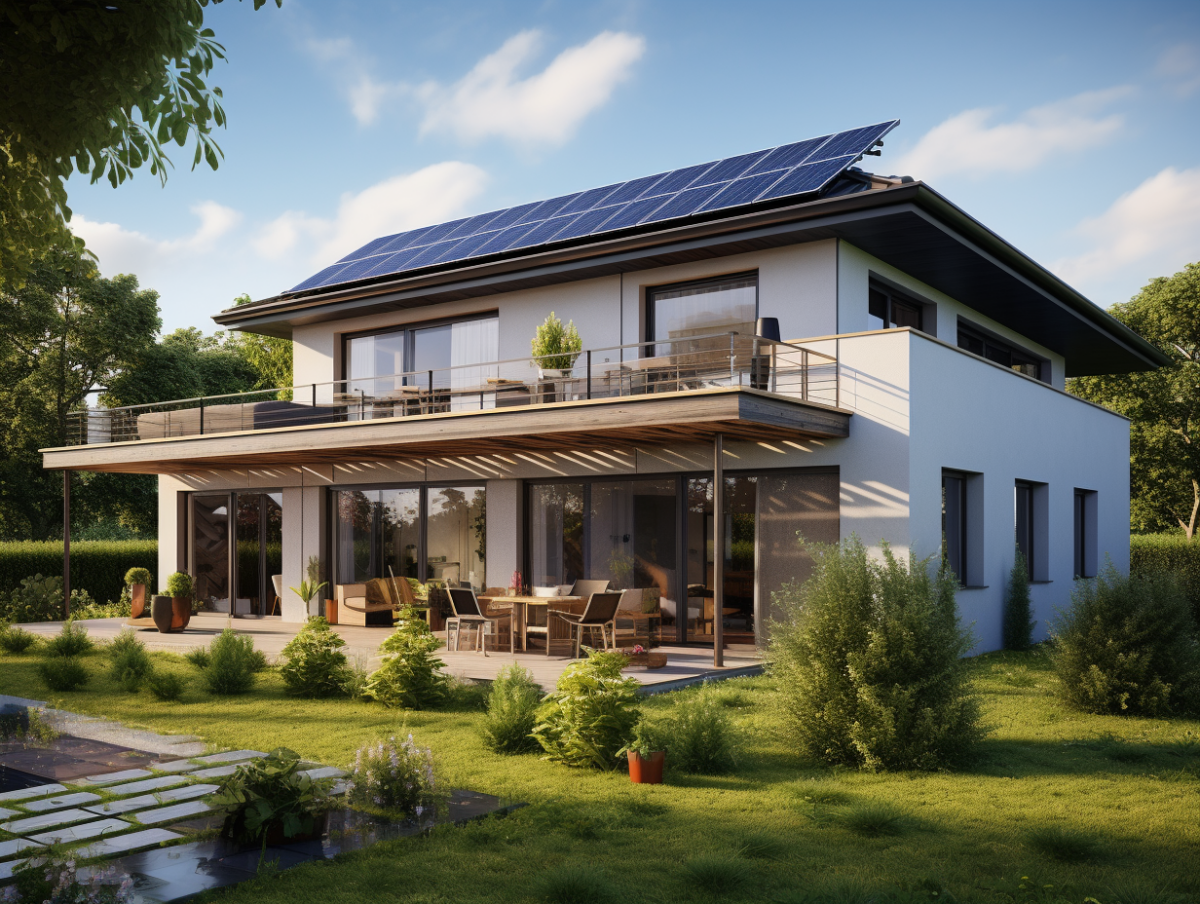
Energy performance in real estate, today more than ever, is at the heart of concerns for owners, builders, and lawmakers. It refers to a building’s ability to consume little energy to ensure the comfort of its occupants while minimizing environmental impact. This concept encompasses insulation, heating, air conditioning, and the use of sustainable materials. Its relevance has increased in the context of climate change and rising energy prices. The impacts range from savings for occupants to global ecological issues, thus influencing public policies and real estate market trends.
Interpretation of energy performance and its influence on the real estate market
The interpretation of energy performance has undergone a major evolution, particularly with the modification of the calculation method for the Energy Performance Diagnosis (DPE). This document, essential for assessing the energy consumption of a home, has been refined to better reflect the energy reality of buildings. This refinement reflects increased accuracy, allowing for a sharp distinction between the most efficient properties and those less virtuous in terms of energy.
The relationship between the DPE and the real estate market has become more than just a simple correlation; it is a tangible influence. Properties displaying a ‘DPE E’ label or worse are exposed to significant devaluation. Recent studies suggest a drop of up to 20% in the value of real estate for those ranked at the bottom of the energy spectrum. This economic reality pushes market players to prioritize energy efficiency, both in new construction and in the renovation of existing properties.
The sale and rental of real estate are thus impacted by this new energy order. The DPE becomes a strong argument, influencing buying or renting decisions. Buyers and tenants, increasingly aware of environmental and cost-saving issues, scrutinize the DPE to anticipate future energy expenses and ensure a home that aligns with their values.
In light of these observations, energy performance emerges as a determining criterion in assessing the quality and attractiveness of real estate. Owners are turning to energy improvement works, not only to respond to ecological awareness but also to maintain the competitiveness of their properties in a market where energy efficiency becomes synonymous with added value.

Regulatory and economic impacts of energy performance for owners and tenants
The ecological transition is making its mark on the real estate sector with profound repercussions for owners and tenants. The Environmental Regulation RE 2020 embodies this movement, aiming for a significant improvement in the energy performance of new constructions. This regulation reflects an unequivocal commitment to reducing carbon footprints and optimizing energy consumption for future buildings.
The France Relance Plan, on the other hand, targets existing buildings, laying the groundwork for a significant reduction in energy consumption by 2030. This imperative translates into financial incentives for energy renovation works, highlighting the urgency to act for owners concerned about the compliance of their properties with current standards.
For owners, the legal obligations related to the DPE are tightening: an energy audit becomes necessary for homes classified F or G that are put up for sale. This measure, far from being a mere formality, can condition the transaction itself, as potential buyers are increasingly reluctant to invest in energy-intensive properties without prospects for improvement.
Tenants, vigilant about energy expenses, now value green housing. This preference impacts the rental market, forcing landlords to consider renovation works to remain competitive. Efficient homes attract a broader audience, ensuring constant occupancy and increased profitability, while energy-inefficient properties risk prolonged vacancy.
The energy performance of buildings is no longer just a technical indicator; it has become a central pivot of real estate strategies, dictating economic choices and sustainable development policies.